
Technical / 2026.09.01
Process for Improving Surface Finish in CNC Precision Machining
The surface finish of precision components directly affects assembly performance, wear resistance and service life. Parts used in semiconductor, medical and aerospace industries have strict requirements for Ra value. Ordinary machining often results in tool ma
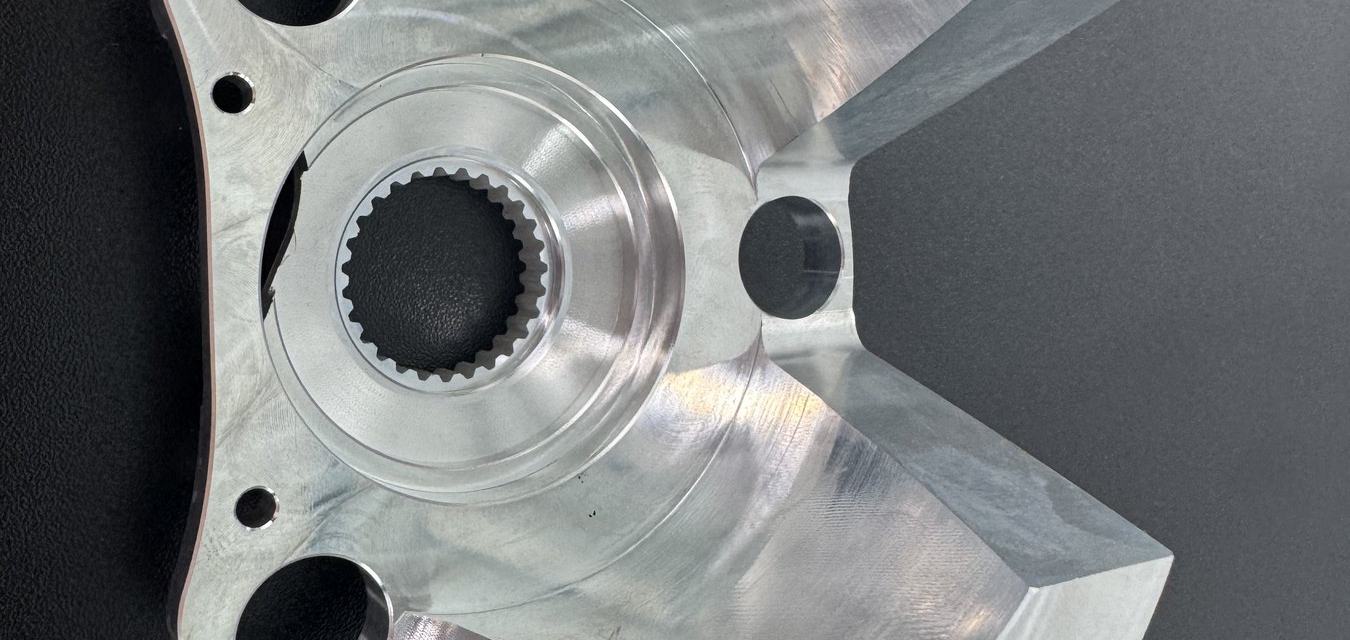
The surface finish of precision components directly affects assembly performance, wear resistance and service life. Parts used in semiconductor, medical and aerospace industries have strict requirements for Ra value. Ordinary machining often results in tool marks and unqualified surface roughness.
Processing Difficulties: Different materials produce cutting marks; unreasonable feed rate and rotating speed lead to uneven surface texture. Subsequent polishing may damage precise dimensions.
According to different materials such as aluminum alloy, stainless steel and copper, we select special cutting tools and cutting parameters, optimize finishing tool paths to reduce tool marks. Controlled post-treatment processes are applied to improve surface finish without changing dimensions, stably meeting customers’ Ra precision requirements.
Finished products are tested by surface roughness tester to strictly control surface quality and meet assembly requirements of high-end equipment.
We undertake precision component machining, prototype sampling and mass production, providing stable surface quality solutions for high-end manufacturing customers.