
Technical / 2026.09.17
Summary of Anti-deformation Processing Technology for Thin-walled Parts
Thin-walled parts are widely used in automation, medical and semiconductor equipment. They have poor rigidity and are easily deformed under cutting force, which has long been a difficulty in precision machining industry.
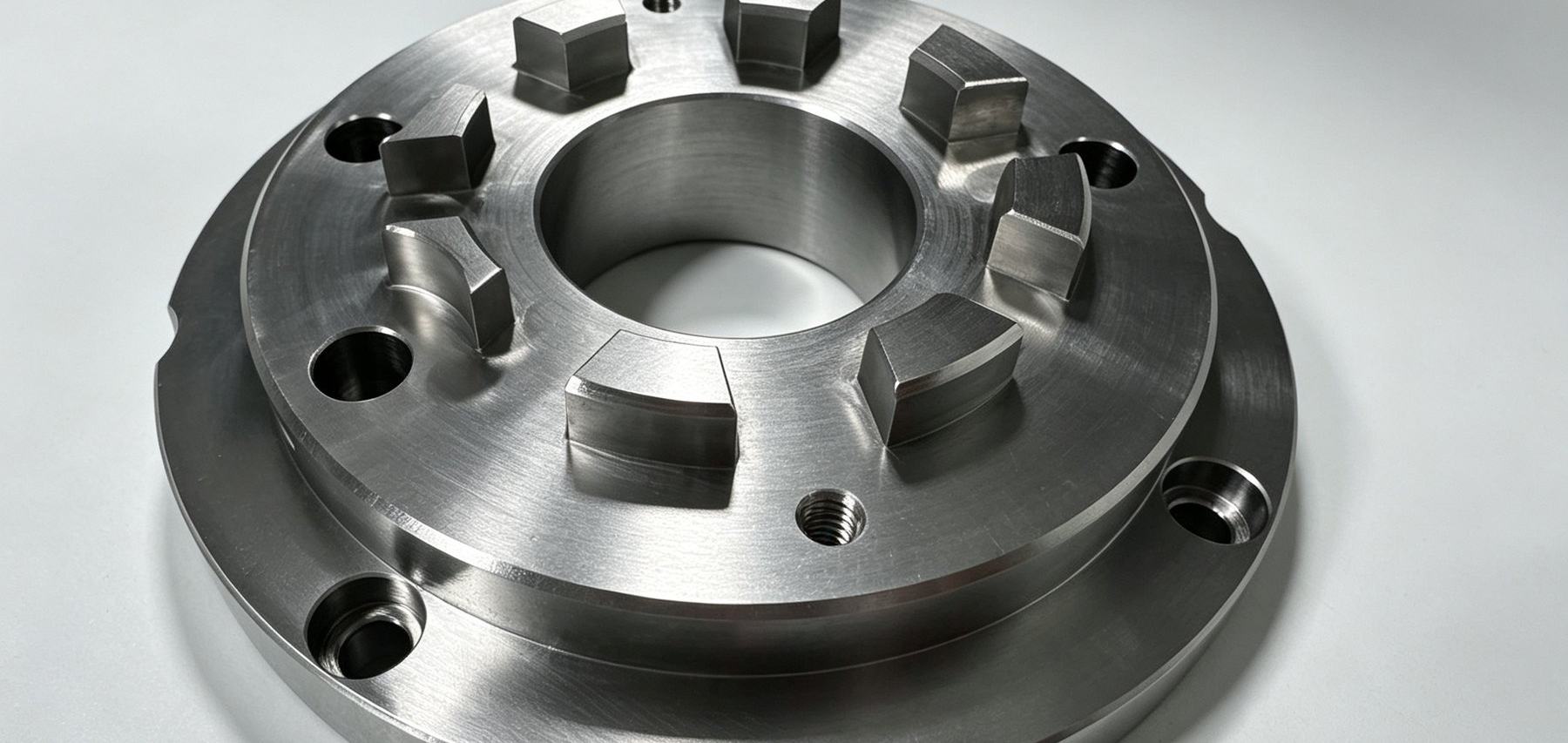
Thin-walled parts are widely used in automation, medical and semiconductor equipment. They have poor rigidity and are easily deformed under cutting force, which has long been a difficulty in precision machining industry.
Processing Difficulties: Thin-walled structures have weak rigidity. Cutting force and clamping pressure easily cause workpiece deformation, and rebound after processing leads to dimensional deviation.
We adopt segmented processing strategy. Finishing allowance is reserved in rough machining to release internal material stress. Cutting feed is optimized to reduce cutting force. Custom vacuum/special fixtures reduce clamping deformation.
Workpieces are placed statically before inspection after processing to reduce dimensional error caused by rebound and guarantee long-term dimensional stability of thin-walled parts.
We undertake prototype sampling and mass production of various thin-walled precision parts for automation, semiconductor and medical equipment industries.