
Technical / 2026.08.24
Key Points of Precision Cutting Process for High Hardness Materials
Die steel, stainless steel and other high hardness materials are widely applied in precision equipment. High hardness materials are difficult to cut, with fast tool wear, easy tool chipping and dimensional drift, which is far more challenging than ordinary alu
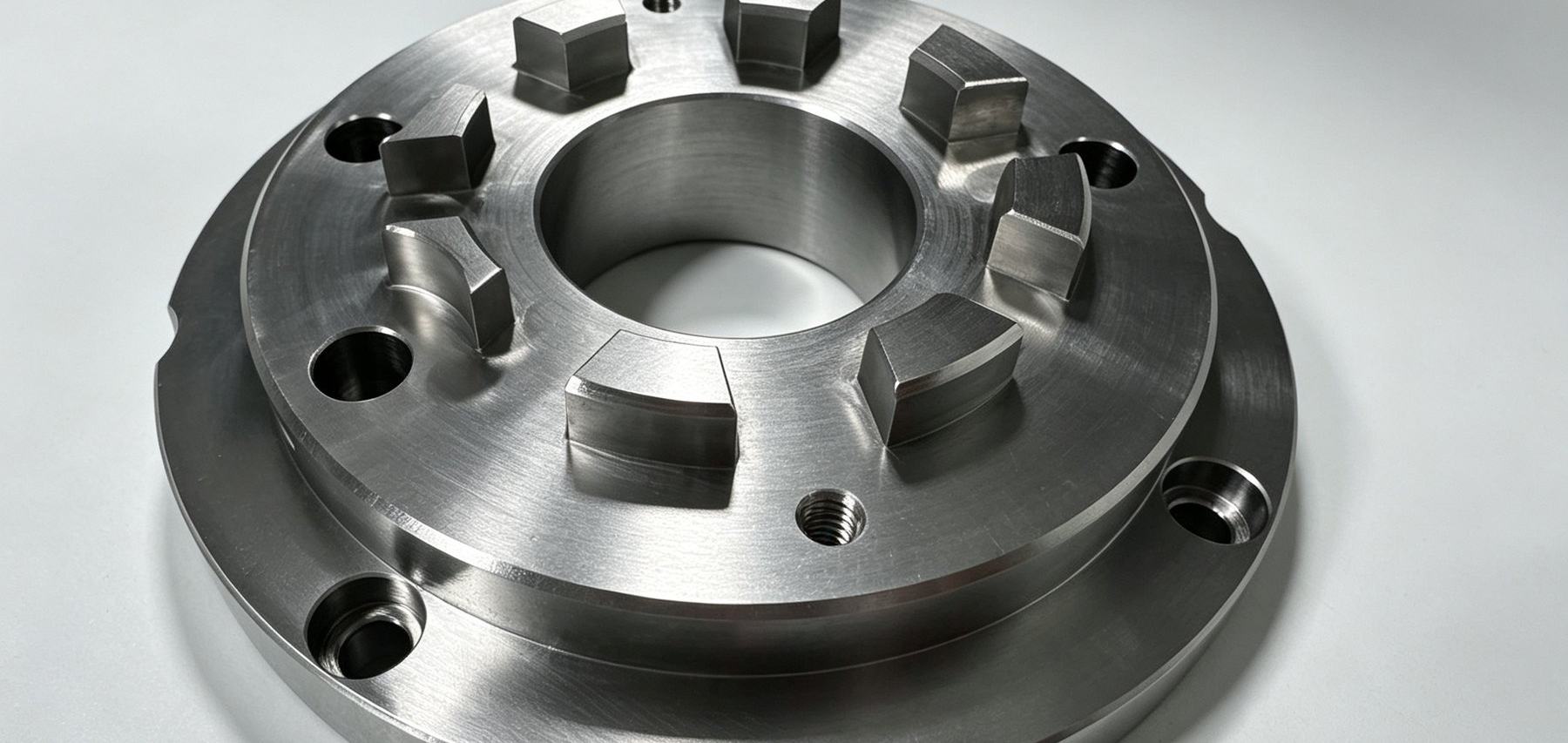
Die steel, stainless steel and other high hardness materials are widely applied in precision equipment. High hardness materials are difficult to cut, with fast tool wear, easy tool chipping and dimensional drift, which is far more challenging than ordinary aluminum alloy.
Processing Difficulties: High cutting resistance for hard materials. Rapid tool wear and rising cutting temperature easily cause dimensional changes.
We select special cutting tools suitable for high hardness materials, optimize rotating speed and feed rate, adopt segmented cutting process to control cutting temperature, reduce tool wear and stably guarantee dimensional precision of parts.
Full dimensional inspection is implemented after machining with strict tolerance control to ensure long-term stability of high hardness components.
We undertake prototype sampling and mass manufacturing of non-standard precision parts made of high hardness materials, meeting supporting requirements of high-end equipment.